I'm Looking for...
This post contains links through which we may earn a small commission should you make a purchase from a brand. This in no way affects our ability to objectively critique the products and brands we review.
Evidence Based Research To fulfill our commitment to bringing our audience accurate and insightful content, our expert writers and medical reviewers rely on carefully curated research.
Read Our Editorial Policy
If you’re looking for a natural, non-drowsy sleep aid that actually works, let us introduce you to valerian root, chamomile, lemon balm, and more.
Virtually any problem that even subtly shifts your body out of its natural balance, i.e., homeostasis, has the potential to keep you awake at night.
This is one reason why sleep disorders can be hard to identify, classify, and assign causality to (which came first, the lack of sleep or the anxiety, stress, etc.?).
Whatever’s keeping you up, if you’re like most people, you probably don’t want an addictive, overpowering sleep aid that will have you waking up in the middle of that morning meeting wondering how you got there.
Instead, we will highlight natural sleep aids that gently address the barriers to sleep instead of shoving you into a drugged state.
It would take volumes to list and elaborate on the many factors that can cause insomnia, but we can at least rattle off the “greatest hits” of post-industrial living as highly prevalent contributors:
This list isn’t exhaustive by any means, but these issues represent some of the most common factors associated with short-term bouts of insomnia among those not diagnosed with a bona fide sleep disorder like sleep apnea, restless leg syndrome, narcolepsy, etc.
It’s important to appreciate these factors because the bulk of herbal supplements indirectly promote sleep by fighting stress, anxiety, etc., though some also have purely sedative effects.
That said, let’s take a look at nature’s lineup of herbal sleep remedies.
In a 128-participant trial conducted by Switzerland’s Nestle Research Laboratories, valerian root extract “produced a significant decrease in subjectively evaluated sleep latency scores and a significant improvement in sleep quality.”
Equally important was the researchers’ observation that next-day “somnolence,” or drowsiness, was largely unaffected.
Dozens of contemporary findings echoing a similar conclusion have surfaced over the past couple of decades, but some were not so convincing.
Researchers are starting to realize that dosage plays a big factor here, which makes sense, because many of the inconclusive findings fell shy of the 400mg/day mark used in this study and others like it.
What do prescription tranquilizers like Valium and Xanax have in common with chamomile plants?
The compounds used in these drugs to produce calming effects—benzodiazepines—are also found in Matricaria chamomilla.
To clarify, this University of Modena and Reggio Emilia (of Italy) study refers to the compounds they found in this flower as “benzodiazepine-like” for their ability to bind to the same receptors and elicit the same effects.
In this in vitro study, the chamomile extract was found to “bind both central and peripheral benzodiazepine receptors,” which is how these compounds kickstart the physiological processes that promote a sense of calm.
The result is sleep improvement potential without the addiction and abuse potential.
Used in Middle Eastern and African healing traditions for centuries, Ashwagandha is a small, bushy plant native to these regions of the world.
According to this 58-participant study conducted by the Vedantaa Institute of Medical Sciences in Palghar, India, 600mg of ashwagandha a day can improve several aspects of sleep.
We especially like this study because it broke down specific metrics like “sleep onset latency” (how long it takes to fall asleep) and “sleep efficiency” (how much time in bed actually spent sleeping), both of which significantly improved in the test group by week ten of the study.
Most importantly, all 58 participants tolerated this natural extract well.
This plant is actually a member of the mint family named for its lemony aroma.
In an 18-participant study by the University of Northumbria in Newcastle, participants who were given 300mg or 600mg of lemon balm and then subjected to the Defined Intensity Stressor Simulation (DISS) battery showed a significant reduction in “negative mood effects” compared to placebo when assessed one-hour after the simulation.
In other words, researchers placed participants in a stressful simulation that involved multi-tasking and dealing with unexpected changes in workload, and the lemon balm group was able to keep a much cooler head.
This discovery speaks more directly to an ability to manage stress, but if stress is your main barrier to healthy sleep, then lemon balm just may help to ease you into a calmer state before bed.
Many More Are In the Works
Researchers have been taking a flora-filled tour of nature’s sleep remedies for a while now, identifying plants like the following that may have sleep-promoting potential:
Sure, you could sneak in some extra omega-3s or fiber with a bit of somber self-talk at the grocery store, but when’s the last time you saw “valerian root” or “passionflower extract” on an ingredient list?
In all fairness, you can actually take in some sleep-promoting compounds with everyday food, but the range is quite limited (almonds, kiwi, and cherry juice to name a few).
Whether you’re looking to get yourself through an acute bout of insomnia or set up a maintenance schedule for your chronic sleep disorder, informed supplementation is extremely important in this case.
Target the above research-verified herbs and watch out for GMOs or potentially dangerous compounds like eszopiclone, which some sleep aid manufacturers even sneak into their formulations
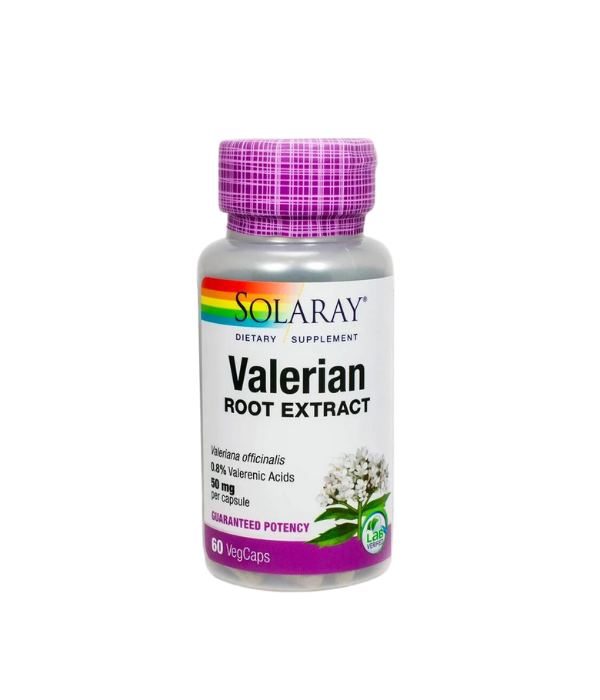
For a potent, safe, over-the-counter sleep aid featuring just four non-GMO ingredients, we recommend products like Solaray Valerian Root Extract.
This lab-verified supplement brings insomnia sufferers a gimmick-free, affordable source of valerian root in capsule form.
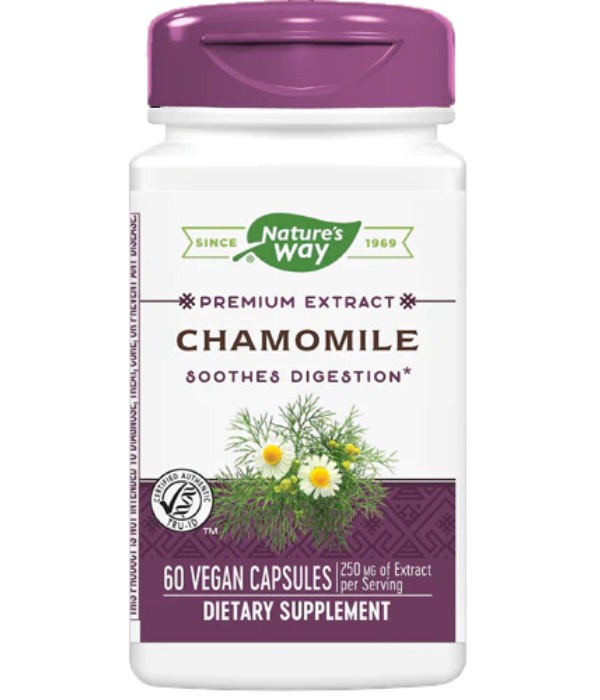
Or, if you’re more comfortable with something you’ve likely tried in a different form before, Nature’s Way Chamomile is a super simple and completely safe way to support both sleep and digestion.
Finally, remember that sleep aids can’t do it all for you.
When they’re included as part of a well-rounded approach, however, that involves identifying and addressing day-to-day stressors, standardizing bedtime, making the needed lifestyle changes, etc., then these products and the herbs they’re derived from can become your strongest allies.

It doesn’t take a team of scientists to figure out that the prospect of a delicious meal has a way of perking up one’s mood.
Read More
In this article, we will explore what phosphatidylserine is, its benefits, dietary sources, and potential side effects.
Read More