I'm Looking for...
This post contains links through which we may earn a small commission should you make a purchase from a brand. This in no way affects our ability to objectively critique the products and brands we review.
Evidence Based Research To fulfill our commitment to bringing our audience accurate and insightful content, our expert writers and medical reviewers rely on carefully curated research.
Read Our Editorial Policy
This past weekend of March, the majority of the U.S. adjusted their clocks forward by one hour.
Unless you reside in Arizona or Hawaii, this annual “spring forward” event can have a direct impact on your health—with some more surprising effects than you’d think.
Occurring this Sunday, March 10, at 2 a.m. local time, most of us lost an hour of sleep in exchange for an extra hour of evening daylight. But are later summer sunsets worth the health risks? Let’s find out.
We have Benjamin Franklin to thank for Daylight Savings Time (DST). Back in 1784, he thought that pushing the clocks forward would save people money by making better use of daylight and reducing the need to burn candles so often.
Unlike in Franklin’s time, we no longer need to rely on candlesticks for light, and energy consumption saved from DST is likely not making a massive impact. In fact, some researchers argue that having longer daylight hours actually increases energy consumption because people use air conditioning more.
But beyond its potential eco-unfriendly status, how does DST impact our health?
Unlike the time change in November (when we “fall back,” technically marking the end of daylight savings time for that year), we start saving daylight at the beginning of March, leading to an hour of sleep lost.
An obvious effect of losing an hour of sleep is that, well, you lose sleep. Unlike that glorious extra hour of snoozin’ you get in November, the springtime clock change can seriously affect your sleep—and not just for one night.
Our circadian rhythms—the 24-hour internal clock that regulates everything from sleep patterns to appetite to hormone control—are strongly influenced by light, and many people react negatively to abrupt circadian changes.
When we transition to daylight savings time in the spring, it’s darker in the morning, meaning your circadian rhythm may not “wake up” as easily as it does when it’s lighter out.
Many people’s circadian rhythms align best with standard time (non-daylight savings time), especially if they are “early birds.” Night owls, however, might function better during DST because they are typically sleeping in those still-dark, early morning hours.
Overall, people tend to sleep fewer hours during DST, often staying up later and being out and about longer because the sun doesn’t set until 8 p.m. or later in the summer months.
Over the half-year-plus period of DST, these minor sleep reductions can lead to significant sleep loss and a downstream effect on many health outcomes.
Adolescents and teenagers—who require more sleep than adults—are particularly susceptible to the negative effects of DST.
One study found that high school students lost an average of 2 hours and 24 minutes of sleep in the week following the March time change. They also experienced significant increases in daytime sleepiness and reductions in psychomotor vigilance testing (which tests alertness and response time).
Just like with the high school students, drivers experience slower reaction times, reduced vigilance, and lower alertness after DST.
If you’re used to waking up at 7 a.m., and the next day, 7 a.m. feels like 6 a.m., you’ll probably feel more tired—and your driving can suffer.
In a study looking at over 730,000 fatal motor vehicle accidents, researchers found that the springtime DST change increased the risk of fatal car accidents by 6% that following week.
The risk was unsurprisingly highest in the morning, and locations furthest west in a time zone were more affected. Keep in mind that this study just looked at fatal car crashes—the number of non-fatal or minor accidents may be higher.
Similarly, workplace injuries are more likely to occur, especially in jobs with manual labor, manufacturing, or factories.
To reduce your risk of being in a car accident or workplace injury the morning after DST, try gradually adjusting your sleep and wake time the week prior, getting plenty of early morning sunlight on Sunday and Monday, and being extra aware and cautious on the road.
The day after Daylight Savings Time begins (Monday), there is an uptick in cardiovascular events like heart attacks and strokes.
A study published in BMJ Open Heart looked at admissions all over hospitals in Michigan, finding that there’s a shocking 24% increase in heart attacks the Monday after DST in March.
Similarly, research in Sleep Medicine showed that ischemic stroke rates are higher in the first two days after DST, especially in women and those over age 65.
While researchers aren’t entirely sure why, it might be due to the circadian rhythm disturbances we talked about.
This one is more obvious—people who get less sleep or worse sleep are likelier to have low productivity.
It’s estimated that the U.S. loses $434 million each year in productivity costs from Daylight Savings Time. This includes lost hours from injuries as well as simple time wasted when people’s brains are just too sleepy to get working on that sales report.
This can also translate to low mental clarity and alertness.
A study looked at high schools in Indiana, where individual counties could opt in or out of DST. They found that the unlucky high schoolers in the DST counties had SAT scores that were 2% (16.34 points) lower than their peers in non-DST areas.
Lastly, springing forward our clocks can have detrimental effects on mood.
While the end of DST (“falling back” in November) is more likely to increase the risk of Seasonal Affective Disorder and depression, the March DST can also lead to mood changes.
This may be because less morning light can decrease serotonin levels, our so-called “happy hormone,” which may cause these mood disturbances.
Sleep deprivation and circadian rhythm changes are also associated with depression and anxiety.
The best solution is to prepare for DST, as it takes a few days (up to a week) for your body to adjust to circadian rhythm changes.
Some tips to prepare for Daylight Savings Time include:
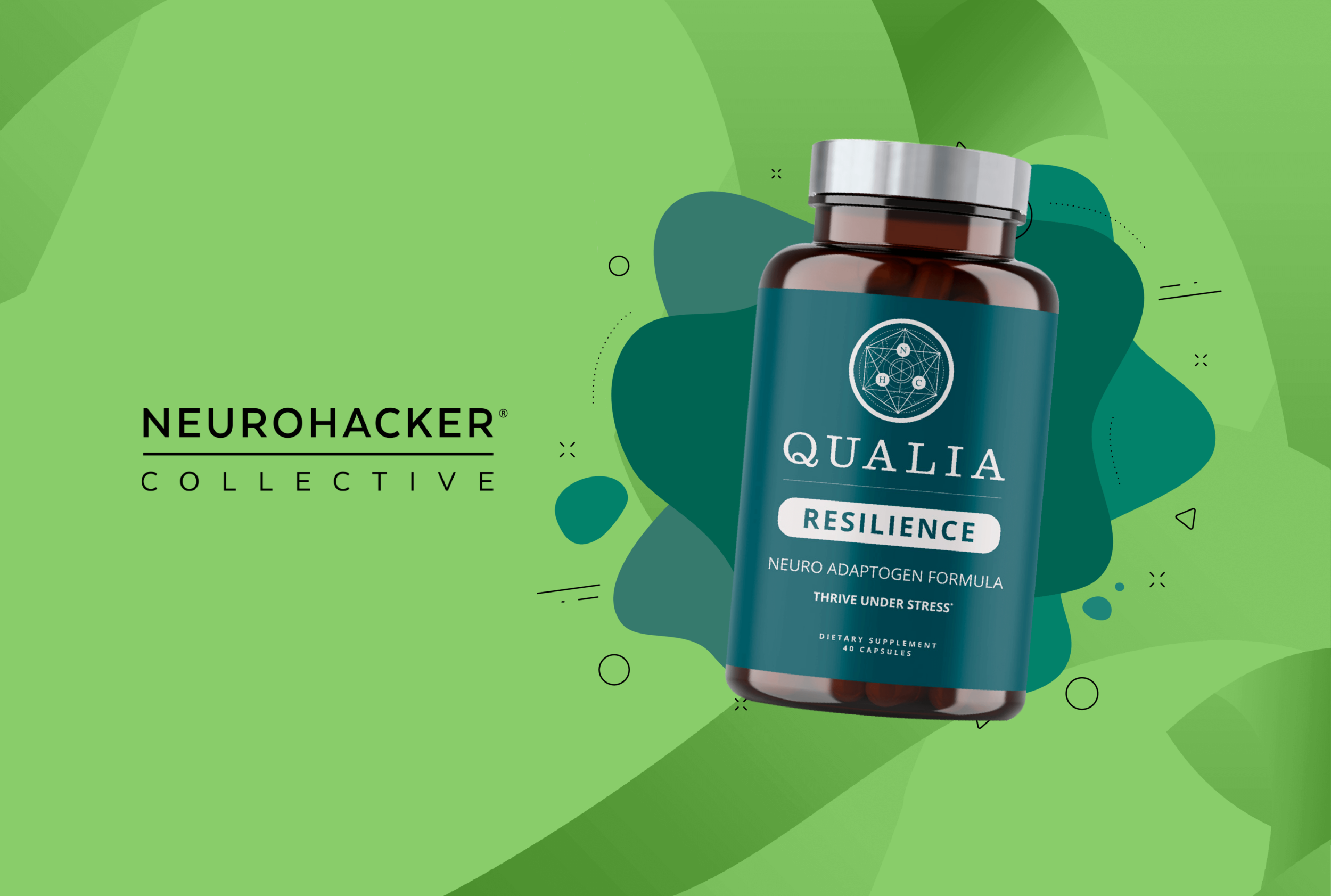
Stress being in no short supply these days, Qualia Resilience is intended to help you rise above, but does it?
Read More
Try a few of these 15 best hangover foods the next time you have a big night out and you’re not feeling your best come morning.
Read More